Choose a walkable place to stay and arrange rides for trips outside town to explore Polynesian culture without renting a car. Oʻahu and Rarotonga are the easiest places in this group to combine public transport with guided outings. Apia, Rotorua, and Papeete also work well if you plan around tours or shuttles.
Rapa Nui’s main town is walkable, but reaching archaeological sites requires planned transport and an accredited guide. Buses in parts of Samoa and Tonga run on flexible schedules. Moorea’s limited bus service makes tour pickup or a car useful for visiting sites around the island.
Compare islands without a rental car
| Destination | Best no-car base | Best way to reach experiences | Main limitation |
|---|---|---|---|
| Hawaiʻi | Waikīkī or Honolulu on Oʻahu | Walk, ride TheBus, or book a tour | Farther stops take planning; options vary by island |
| Aotearoa New Zealand | Auckland or Rotorua | City transit, intercity coach, local tours, and shuttles | Regional attractions do not all connect conveniently by bus |
| Rapa Nui | Hanga Roa | Book an accredited guide and confirm transport | A guide does not automatically provide a ride |
| Samoa | Apia on Upolu | Local buses for flexible trips; tours or taxis for distant sites | Bus timing is unpredictable |
| Tonga | Nukuʻalofa on Tongatapu | Local buses for some journeys; arrange transfers and tours | Service is limited, especially on outer islands |
| Cook Islands | Rarotonga | Use the island’s two loop buses and book guided outings | Other islands do not have confirmed equivalent bus coverage |
| French Polynesia | Papeete on Tahiti, or a tour-linked stay on Moorea | Tahiti buses, walking tours, ferries, and excursions | Moorea bus service is limited or irregular |
Hawaiʻi: choose Oʻahu
Oʻahu offers the clearest no-car plan in Hawaiʻi. Stay in Waikīkī or Honolulu, where you can walk to many town activities and use TheBus for other parts of the island. The official visitor information also describes shuttles, taxis, and bus tours as transport options.
Plan a full day for distant places such as the North Shore. A TheBus visitor guide shows that traveling there from Waikīkī involves transfers, so check the route before setting out and leave room for the return trip. A guided excursion is simpler if you want to combine several stops or avoid coordinating connections.
On Oʻahu, a car helps when you want to make multiple island-wide stops on your own schedule; transit coverage varies on Maui, Kauaʻi, and Hawaiʻi Island. For cultural trip ideas across the region, see culture-focused travel in Hawaiʻi, New Zealand, and Rapa Nui.
Aotearoa New Zealand: base in Rotorua
Auckland is useful for city-based cultural visits and public transport. Auckland Transport says its highlighted visitor routes run at least every 15 minutes from 7 a.m. to 7 p.m., seven days a week. That schedule applies to the routes it highlights, not every service in the region.
Rotorua is a stronger base for a no-car trip centered on Māori cultural experiences and geothermal attractions. Reach the town by intercity coach or an organized tour, then book each experience and check how you will get there. Rotorua’s visitor listings include Māori-led experiences such as Pepeha Journeys. A Māori-family-owned shuttle also runs daily to Wai-o-Tapu or Waimangu, two geothermal areas; check whether its departure point and schedule fit your accommodation.
A car makes it easier to visit regional stops when tour and shuttle schedules do not fit your plans. If you prefer not to drive, choose Rotorua lodging near the activities you have booked and confirm pickup details before paying.
Rapa Nui: stay in Hanga Roa
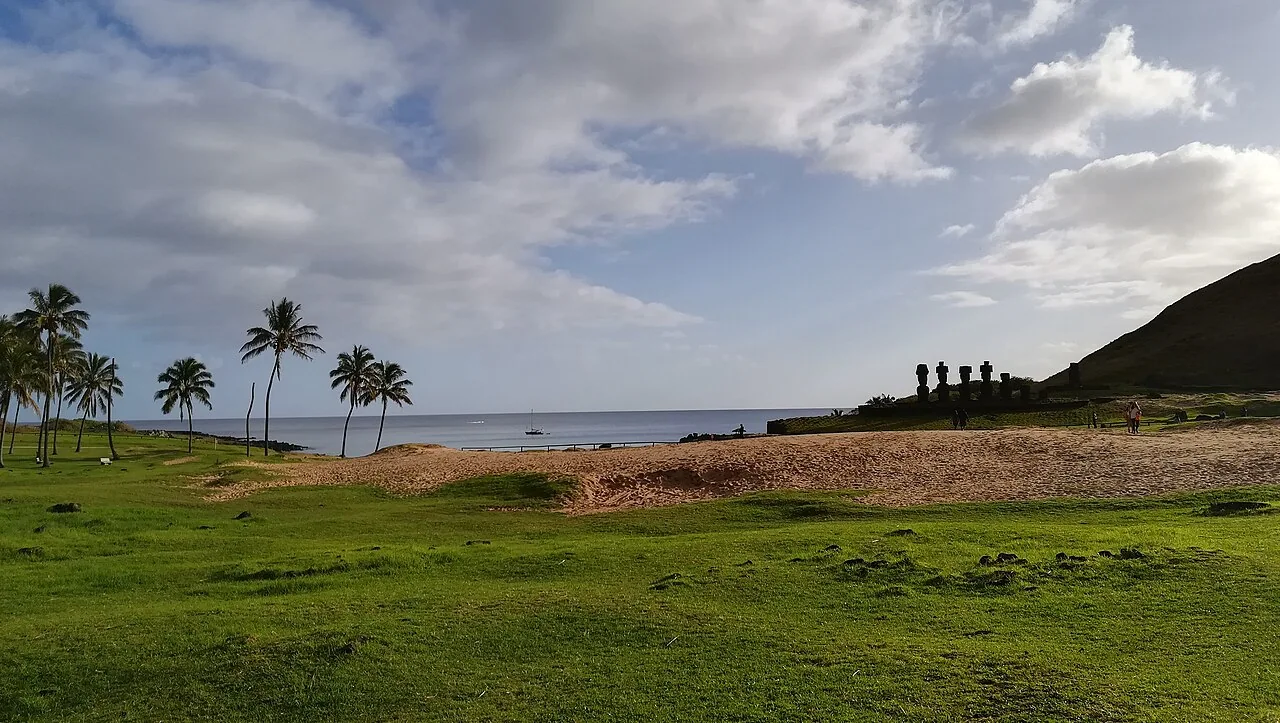
Hanga Roa is walkable, and the airport is close to town. You can arrive and visit town without a rental car. Plan ahead to visit the main archaeological sites: Rapa Nui National Park requires visitors to have an entry ticket and an accredited guide.
Book a guide or tour, and ask directly whether it includes transport and site entry; a guide booking may not include a ride. There is no confirmed regular public bus network connecting the major sites, so plan transport ahead instead of relying on spontaneous site-hopping.
Follow the park authority’s current access and conservation rules when arranging visits. For a wider cultural comparison, see culture-focused travel in Hawaiʻi, New Zealand, and Rapa Nui.
Samoa: use Apia as a hub
Apia is the most practical base for town visits and transport connections on Upolu. The Samoa Cultural Village is on Beach Road in central Apia, with activities that include tapa-making and carving, as well as tattooing demonstrations. They also include preparing an umu, a meal cooked in an earth oven.
Local buses can be a cultural experience as well as transport, but they are a poor fit for tight schedules. Buses may stop while passengers run errands, and there are few formal stops. Use them when you have time and flexibility. For a timed excursion to places such as Piula Cave Pool or To Sua Trench, book a local-led tour or arrange a taxi. Taxis are not metered, so agree on the fare before leaving.
Savaiʻi needs more planning. Buses leave from the Salelologa market or wharf, but routes do not have formal stops along the island. The ferry crossing between Upolu and Savaiʻi takes about 60 to 90 minutes. Plan how you will get around after arrival. Ask your accommodation or tour operator how pickup works before you travel. At village swimming holes, seek permission before swimming, as Samoa Tourism advises. More on local customs and access is available in Samoa, Tonga, and Cook Islands etiquette and village access.
Tonga: plan around transport
Nukuʻalofa on Tongatapu is the most practical base for a stay without a car. Local buses serve Tongatapu and ʻEua, though they are infrequent for tourists. Tonga Tourism’s stopover handbook lists Tongatapu bus hours as Monday through Saturday, 7 a.m. to 5 p.m.; confirm current service before relying on it.
The outer islands are harder. Tonga Tourism describes Vavaʻu buses as less reliable and mainly used for school transport. Inter-island flights and ferries connect island groups, but reaching an island does not solve local transport after arrival. Arrange airport or ferry transfers with your lodging, and book tours that clearly state what transport they include.
A car is most useful when you want to explore multiple places independently. You still need to plan around inter-island schedules. For trip choice and village customs, see Samoa, Tonga, or Cook Islands: choosing your first trip.
Cook Islands: take Rarotonga’s loop buses
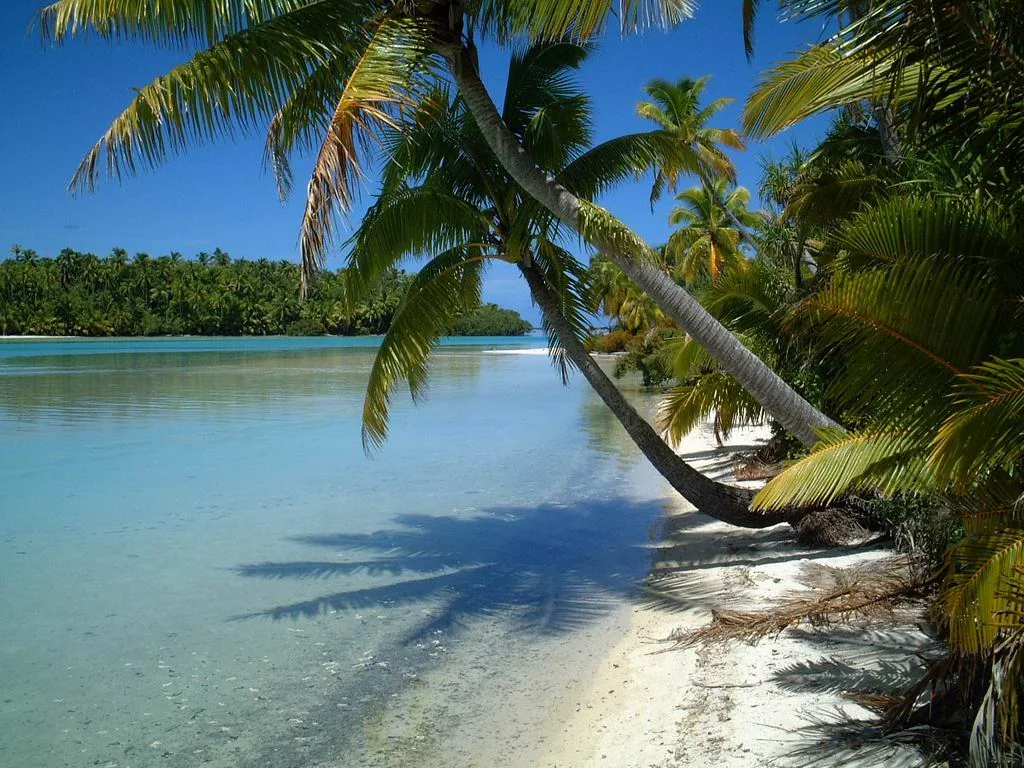
Rarotonga is one of the easiest islands in this comparison for a no-car stay. Two buses circle the island in opposite directions and stop along the main road. Use them for coastal journeys and visits around Avarua, and choose accommodation near a stop or along the route you expect to use.
The island is 32 kilometers around, but the buses operate as loops rather than as a frequent urban network. Check the operating schedule before planning an evening return or a connection to a booked activity. For inland walks and natural-history outings, book a locally guided hike or tour rather than assuming the bus will reach the trailhead.
Do not assume Aitutaki or other outer islands have Rarotonga’s bus service. Arrange transfers, bicycle hire, boat trips, and tour pickup directly with local operators or your accommodation. A car can save time on Rarotonga, but it is not essential for a relaxed itinerary built around the bus and guided outings.
French Polynesia: match your base to tours
Papeete on Tahiti is the clearest base for town visits without a car. The town is walkable, and an English-language walking tour visits landmarks and the market. Tahiti’s buses follow the coastal road and generally run from about 5 a.m. to 5 p.m.; check the current schedule before using one to reach a timed activity.
The passenger ferry from Papeete to Moorea takes about 30 minutes, according to Tahiti Tourisme. On Moorea, limited or irregular bus service follows the ring road, so avoid relying on it for a tightly timed island itinerary. Choose a hotel with confirmed excursion pickup, or book tours that provide transport from the ferry or accommodation.
A car helps with independent stops around Tahiti or Moorea. For other islands, arrange airport or harbor transfers and excursion transport before arrival rather than assuming the bus options on Tahiti apply elsewhere. If you are connecting multiple islands, allow room for delays and schedule changes; see planning safe buffers for French Polynesia island hopping.
Where no-car travel is hardest
It is hardest to travel independently on Savaiʻi, Tonga’s outer island groups, and Moorea when your lodging is far from ferry connections or tour pickup. On these islands, transport may exist but still be too limited or unpredictable for a tightly planned day. Rapa Nui is also difficult for independent site-hopping because park visits require an accredited guide and transport must be confirmed separately.
The simplest choices are Oʻahu, if you stay near Waikīkī or Honolulu, and Rarotonga, if you are comfortable using its loop buses. Rotorua, Apia, and Papeete work well when you book specific cultural experiences and excursions rather than expecting public transport to reach every site.