Combining Hawaiʻi, Aotearoa New Zealand, and Rapa Nui takes more flight planning than a trip between islands. Check for a flight from Honolulu to Auckland. Direct flights to Rapa Nui leave from Santiago, Chile, so a trip that visits all three places usually requires flying from New Zealand to Santiago before continuing to Rapa Nui.
Plan around Rapa Nui’s flights and entry rules, then choose experiences led by local people at each stop. If the added travel leaves too little time to learn about each place, choose two destinations. For other route ideas, see how to combine Polynesian islands on one trip.
Plan the route through Santiago
If you’re starting in the United States, consider flying from Hawaiʻi to New Zealand, then from Santiago to Rapa Nui and back to Santiago before continuing onward. Air New Zealand sells Honolulu-to-Auckland flights, but seeing the route on its booking page does not mean it flies on your dates. Check the exact travel dates and current schedules before building the rest of the trip around that leg.
Rapa Nui lies off the coast of Chile, and its direct flights connect it to Santiago. The flight takes about five and a half hours, according to Chile’s tourism information. There is no direct flight from Auckland to Rapa Nui. You can visit Rapa Nui first and then continue to New Zealand and Hawaiʻi if the Santiago flights and your wider itinerary work better in that order.
Plan around the Santiago–Rapa Nui flights. If your international flight and your flight to Rapa Nui are on separate tickets, do not assume you can connect on the same day. Ask the airlines how they handle baggage and what protection the tickets provide if a delay makes you miss the next flight. Also ask how much time you need to transfer. Leave extra time when the flights are on separate tickets. Schedules and operating days change, so verify them for your dates. For more on connections, see how to avoid missed connections on Polynesian flights.
Decide whether to visit all three
Visit all three if the flights and cost fit your trip and you know what you want to do in each place. Without enough time for each stop, the trip risks becoming a string of airports and resort stays. There’s no set number of days to spend at each destination. Choose based on the activities you want and the available flights.
If you have to shorten the trip, choose two destinations with different experiences rather than squeezing all three into a rushed schedule. For example, you could plan a trip to Hawaiʻi and New Zealand around a particular experience connected to a community project or led by Māori. Rapa Nui pairs naturally with a journey through Chile, since Santiago is its direct air gateway. Travelers comparing cultural priorities can also explore culture-focused travel in Hawaiʻi, New Zealand, and Rapa Nui.
Choose a local-led experience
In Hawaiʻi, choose a particular island and activity rather than relying on a resort’s general cultural program. The Hawaiʻi Tourism Authority supports visitor experiences connected to community projects and living Hawaiian culture. That does not mean every activity advertised as cultural is led by a community or owned by Native Hawaiians. Ask who leads the activity, what it involves, and how it relates to the place.
One example listed by GoHawaiʻi is a Waipiʻo Valley cultural-learning experience on Hawaiʻi Island. It includes a guided walk near taro patches and Hiʻilawe Stream, time to learn through talk-story, a conversational way of sharing stories and knowledge, and a locally sourced lunch. The listing describes moderate terrain and guided 4×4 transport, so check whether the route suits your mobility and interests, and confirm current availability with the provider.
In Aotearoa New Zealand, start with the region you plan to visit, then look for an experience with a Māori-owned provider. New Zealand Māori Tourism’s directory lets visitors search by region and activity type. Its listings cover food, crafts, adventure, and accommodation. Read the provider’s own description, then check its location and duration. Confirm access requirements, group size, and booking terms before arranging transport around it.
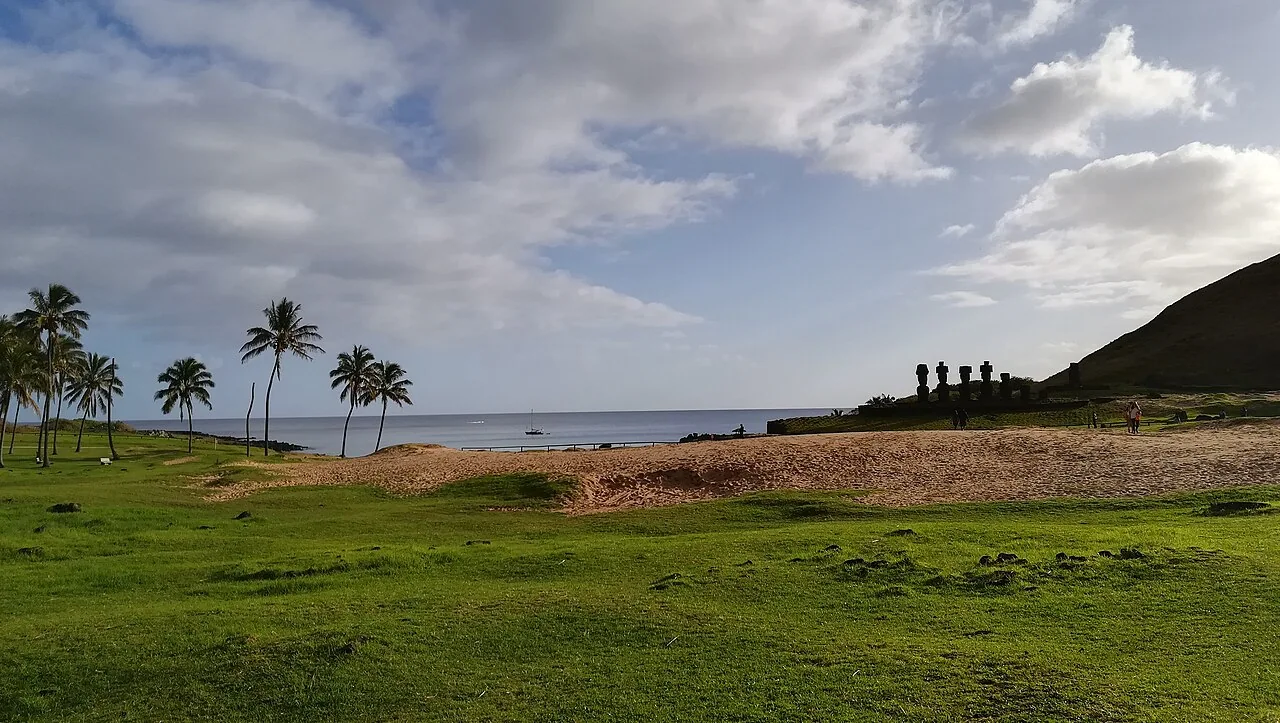
On Rapa Nui, plan your National Park visit with a guide accredited by Ma’u Henua. Ma’u Henua, the Indigenous community that runs the park, publishes visitor rules through the park’s information channels. Visitors must follow marked trails and viewing areas and must not touch or lean on moai or ahu, the stone statues and platforms.
A guided visit to a heritage site is one way to learn about Rapa Nui. A craft activity, local celebration, or festival may suit another trip. Tapati is held in February, but its dates, programming, and availability need checking for the year you plan to travel. Do not assume that a festival activity or workshop will be open to visitors simply because it is listed as a destination option.
Check Rapa Nui entry requirements
Rapa Nui has more specific visitor requirements than the other stops covered here. Chile’s tourism authority lists the following requirements for tourists:
- Complete the Single Entry Form within 48 hours before the flight.
- Hold a return ticket that permits a stay of no more than 30 days.
- Book accommodation registered with SERNATUR, Chile’s national tourism service. Alternatively, arrange a qualifying invitation processed through the Provincial Government.
- Buy a Rapa Nui National Park ticket to visit the park.
Visitors submit the current entry form through Chile’s government portal. Requirements depend on the type of entry permission a visitor needs. Check the current instructions directly before travel rather than relying on saved screenshots or older summaries.
The park’s own visitor information says an accredited guide is mandatory for entry to the National Park. Chile’s tourism entry page describes the guide requirement specifically for archaeological sites such as Orongo and Rano Raraku. Because the two pages describe the guide requirement differently, follow Ma’u Henua’s broader instruction when planning a park visit and confirm the current rules with the organization.
Choose an experience at each stop
Choose a specific island or region, a host or provider, and an activity that gives you time to understand the place. A guided walk, food experience, craft session, or heritage-site visit provides a clearer plan than a day labeled only “culture” or “resort.”
Before booking, ask who leads the experience, what the activity covers, how long it takes, and what physical demands it involves. Then leave unplanned time around it. One well-chosen experience can make the visit more coherent than a packed list of generic attractions.
Also check entry rules for Hawaiʻi, New Zealand, and any transit country with the relevant authorities. The rules described above concern Rapa Nui and do not cover entry or transit requirements elsewhere on the route.