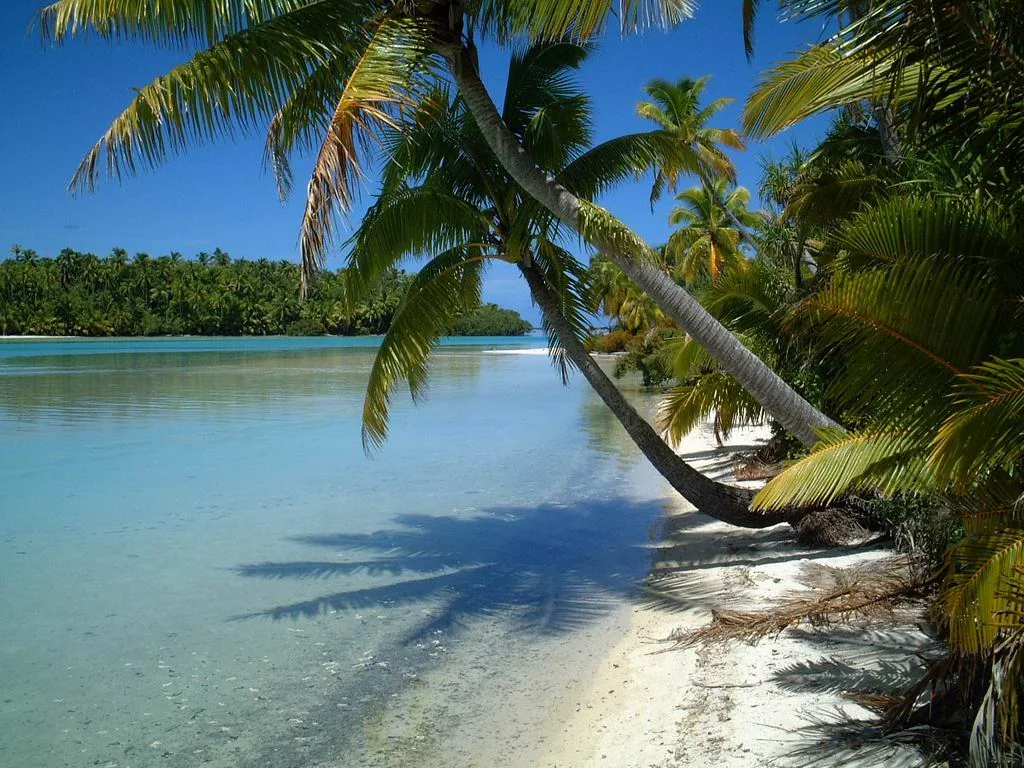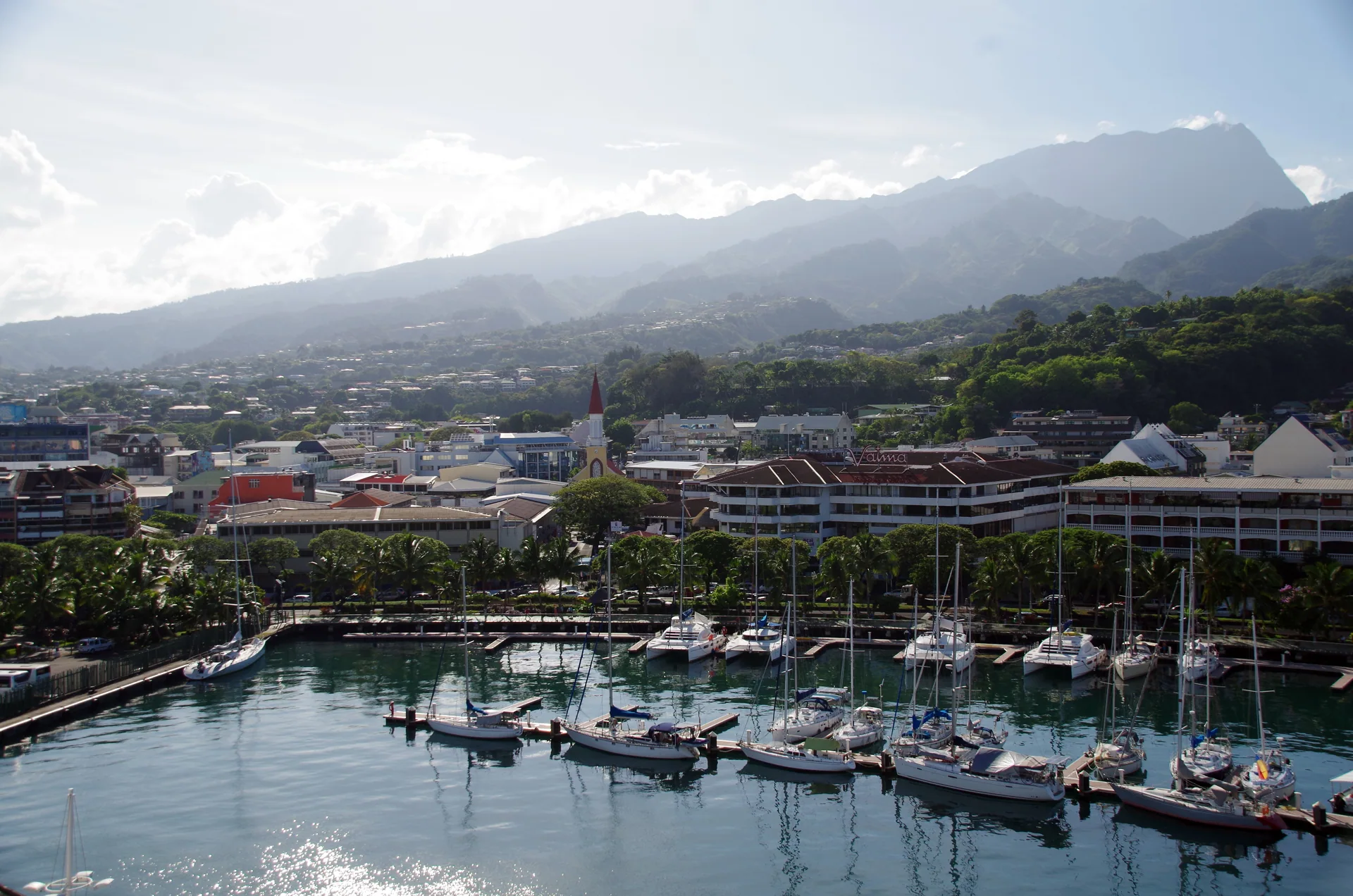
For drier weather and fewer crowds than in peak season, choose May or September. June through August is the most dependable part of the cooler, drier season, but it draws more visitors. November through April is warmer and more humid, with greener scenery and potentially fewer visitors.
French Polynesia’s five archipelagos have different weather, so Tahiti’s conditions don’t predict conditions on every island. Use seasonal patterns as a starting point and check forecasts for each island on your itinerary.
Choose May or September
May and September fall at either end of the popular cooler season. They offer drier-season conditions without the busiest stretch. September also falls within the quieter period identified by Tahiti Tourisme and overlaps with humpback whale season.
These are planning recommendations, not guarantees of sunshine or lower prices. Rain and visitor numbers vary by island and date, and published information does not show that any month will cost less. Compare lodging and inter-island transport prices for your dates before you book.
French Polynesia weather by season
The cooler, less humid period generally runs from April or May through October. The warmer, more humid period generally runs from November through March or April. Sources set the seasonal boundaries differently, so treat April and November as transition months rather than firm cutoffs.
If you prioritize the cooler season, June through August are the clearest picks. They are also part of the June–September high season, so reserve lodging and inter-island flights early, especially if your dates are fixed. Tahiti Tourisme gives temperatures across the islands as roughly 20–30°C overall and 21–27°C during May–October. These broad ranges do not predict temperatures on a particular island or day.
November through April suits travelers who value lush landscapes and can adjust plans around rain. Tahiti Tourisme notes that waterfalls are especially full during this period. Rainfall and humidity vary across the territory, so keep outdoor plans flexible. The rainy season does not mean rain every day.
Choose dates for whales, Heiva, or surfing
For whale-watching opportunities, plan between July and November, when humpback whales visit French Polynesian waters. Tahiti Tourisme describes August through November as a period when whales reproduce and care for their young. A seasonal window does not guarantee a sighting. Choose an authorized operator and confirm the current local rules before booking.
July is the main month for Heiva i Tahiti, a major cultural event. Check the year’s schedule before choosing travel dates around performances. For surfing, Tahiti Tourisme identifies May–October as a favorable period for southern swells at Teahupoʻo, though conditions on a particular day remain variable.
If you want more choice and a quieter trip, consider September–November or February–April. November–April is generally treated as the off-peak period, but published guidance gives no figures for price or crowd differences. Ask accommodations and transport providers about availability and prices for your dates; off-season rates are not assured.
Check conditions by island
French Polynesia covers a large area, and each of its five archipelagos has its own climate. Tahiti’s seasonal pattern should not stand in for the Marquesas, Tuamotus, Austral Islands, or Gambier Islands. Decide which islands matter most to your trip, then check local forecasts and transport schedules for those stops.
For travel in November 2026–April 2027, Météo-France’s October 26, 2026, seasonal communiqué reported an elevated risk of cyclones in the Society Islands and the northern and central Tuamotus, and warned that very intense rainfall was possible in the Marquesas. A November 10 forecast gave a different regional picture for November–January, projecting below-normal rainfall in the Society Islands and Tuamotus and wetter, warmer-than-normal conditions in the Marquesas. These outlooks describe seasonal patterns, not conditions on a specific island or day. Check current forecasts and advisories close to departure.
Flights, entry rules, and cash
International flights arrive at Tahiti-Faa’a. Arrange travel to other islands separately. Book inter-island flights ahead, especially during high season, and leave enough time for connections. Confirm each leg directly with the carrier because schedules and availability depend on your route and dates.
Entry rules depend on your passport, trip purpose, and length of stay. U.S. citizens traveling on a regular tourist passport do not need a visa for stays of up to 90 days, according to the U.S. Department of State, and need a return ticket. The State Department also lists a six-month passport-validity requirement. Before booking, travelers should check the rules with the relevant government authority if they have another nationality, use a different passport type, or plan a non-tourism trip.
Bank cards are accepted on the main islands and at hotels, while cash is strongly recommended for more isolated stops, including parts of the Tuamotus. Pack light rain protection in any season. During the warmer months, plan for humidity; during the cooler season, remember that “drier” does not mean rain-free.