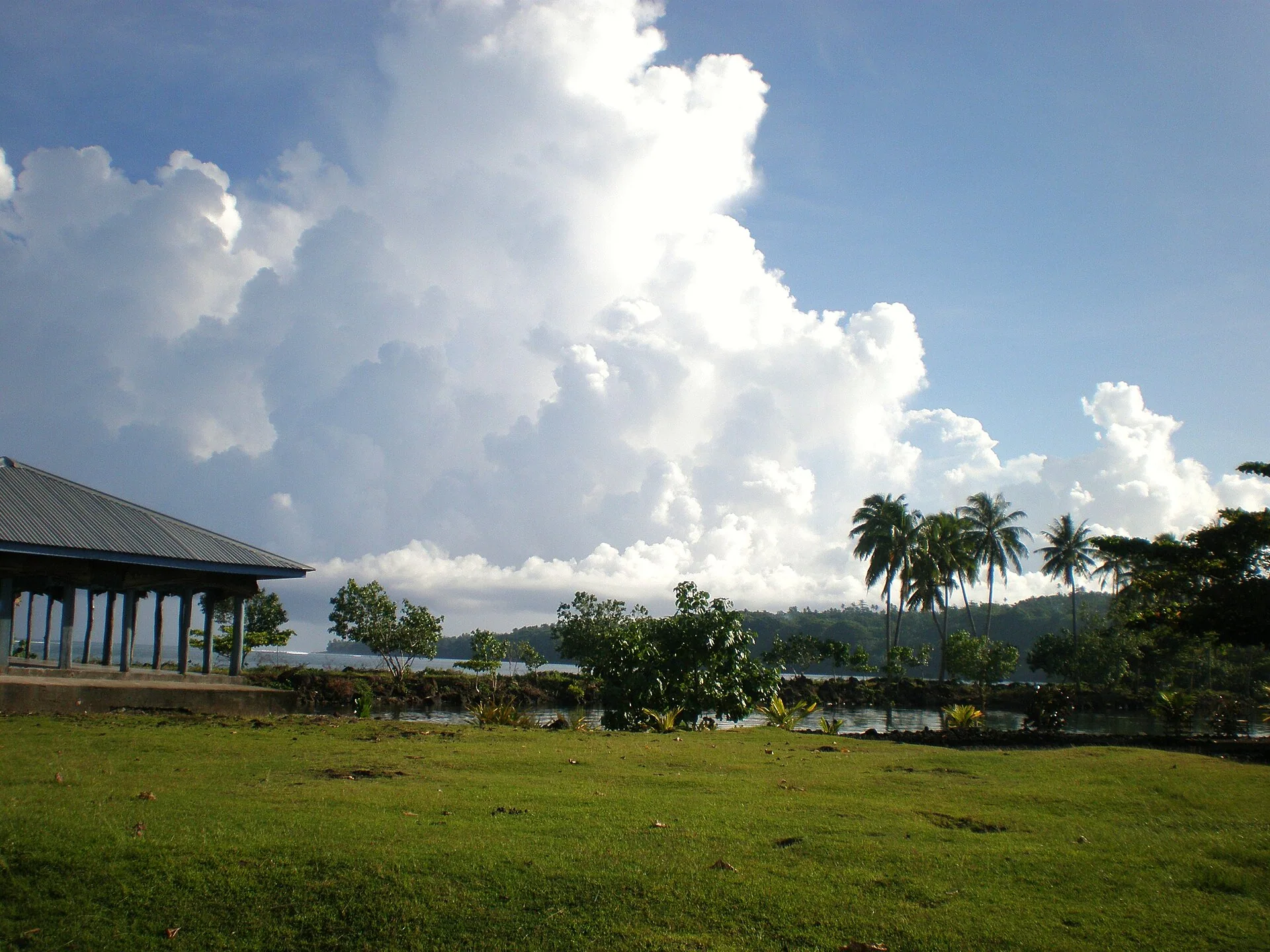
When you visit a Samoan home, take off your shoes and wait for your host to show you where to sit. A fale is a Samoan house; traditional fale often have open sides and mats, but homes vary.
Samoa and American Samoa are distinct places, and customs vary among households and villages. Follow your host’s lead, and ask if you’re unsure what to do.
Enter a Samoan home
Take off your shoes before you enter. Greet your hosts, then pause rather than choosing a seat on your own. Your host may show you where to sit or put out a mat; follow their lead.
In a traditional home, sit before you begin a conversation, eat, or drink. If others are seated, sit with them, especially when elders are present. The layout varies, so use the seating your host provides rather than assuming every fale has the same arrangement.
Sit with your feet covered
Sit cross-legged or follow the posture of the people around you. Keep your feet from pointing toward anyone, and cover your legs with a mat or a lavalava, a wraparound cloth, if needed.
If you have to pass in front of someone, lower your head and say tulou, a respectful way to ask someone to excuse your movement. Avoid standing over people while they are seated. These gestures show respect for everyone there.
Follow your host’s cues around food and ceremonies
Wait for your host to begin or invite you before eating or drinking. Meals and shared food are important parts of Samoan life, but there is no single rule for when every guest should start. Watch what your host does, and ask if you are uncertain.
An ʻava ceremony is a formal event where people drink kava. Each event has its own steps. If you receive an invitation, ask the host or organizer what guests are expected to do. Do not assume that an ordinary home visit includes a ceremony, or that you should perform a ceremonial role without guidance.
A gift or contribution may be customary at a particular formal ceremony, while visitors are not generally expected to bring one to every home visit. Ask the host or organizer rather than guessing or offering money automatically.
Dress and plan for the village
Wear modest clothing when visiting a village. Samoa’s visitor guidance advises against walking around villages in swimwear. A host may have additional expectations for a particular occasion, so ask when arranging your visit.
Ask permission before taking photographs, including photos of people or their homes. Also check whether your visit overlaps with Sa, the village evening prayer period. In independent Samoa, Sa commonly takes place between 6 and 7 p.m. and lasts about 10 to 20 minutes. A bell or conch may signal its start and end. In American Samoa, local descriptions place the period around dusk, with timing that varies by village. Follow local guidance and stop traveling through the village while Sa is underway.
Customs vary by Samoan household
The design of Samoan homes and the customs followed in them vary, and formal meetings have different expectations from casual home visits. Do not assume guidance for American Samoa also applies in independent Samoa.
When in doubt, ask a simple, practical question: “Where would you like me to sit?” or “Should I wait before eating?” Your host can tell you what suits that household and occasion.