For independent travelers in Hawaiʻi, Aotearoa New Zealand, and Rapa Nui, the right cultural experience depends on what you want to learn. A palace tour, visit to a marae (a Māori meeting place), hands-on workshop, and guided archaeological visit each teach you something different. “Local-led” means local people or organizations help shape and present the experience; the label alone doesn’t tell you what you’ll learn.
Check who leads the visit, what it covers, and what rules the host sets. A guide is useful when local knowledge helps you understand a place or follow its protocols. Rapa Nui National Park requires visitors to use an accredited guide.
Choose a cultural experience by what you want to learn
A structured heritage tour works well for travelers who want to learn about history. A workshop or activity caring for a place gives more attention to practice and participation. A community-hosted visit can explain local perspectives and protocols. A guided archaeological visit can explain the history and cultural meaning of monuments.
Each format teaches something different, and hands-on participation does not determine how meaningful an experience is. Choose based on what you want to understand, then ask who leads the activity and what visitors will do. If you are comparing options across islands, culture-focused travel in Hawaiʻi, New Zealand, and Rapa Nui offers a broader planning context.
Hawaiʻi: history and place
In Hawaiʻi, distinguish a historical site tour from a cultural experience led by practitioners or community organizations. For example, ʻIolani Palace offers docent-led tours about the palace, its residents, and the overthrow of the Hawaiian monarchy in 1893. The Palace describes its docents as volunteers; its tour information does not establish that every docent is a Native Hawaiian cultural practitioner. Choose this format for structured historical interpretation.
To learn about a particular landscape, choose a host who can explain the place and how to visit it appropriately. Pōhāhā I Ka Lani offers cultural stewardship experiences in Waipiʻo Valley, including activities such as removing invasive plants or planting native species. Its programs teach about culture and ecology through work on the land. The organization also warns that online visitor information has led people to trespass in private or sacred areas. Local guidance helps visitors access the valley respectfully and understand why some areas are off-limits.
Other programs pair guided site visits with hands-on cultural activities. The Native Hawaiian Hospitality Association describes a program that includes a visit to Kūkaʻōʻō Heiau at Mānoa Heritage Center and activities such as preparing kapa, a barkcloth material, or lauhala bundles made from pandanus leaves. Ask what you will do and how the program connects to the community. A craft demonstration teaches something different from a visit tied to a specific community need.
Before booking, ask where the activity takes place, whether access is restricted, and what participation involves. Follow the host’s directions rather than relying on online maps or visitor accounts for access to culturally significant places.
Aotearoa New Zealand: follow local hosts
Māori-led experiences in Aotearoa New Zealand range from food and crafts to accommodation and outdoor adventures. Cultural performances are another option. Māori tourism directories can help travelers compare options by region and interest. Contact the operator directly to confirm who leads the experience and what it includes.
A marae visit is different from a general tour. A marae is a Māori meeting place, and visits require arrangements with the hosts. Depending on the visit, the program may include a pōwhiri, a formal welcome, local history, tikanga, meaning local customs and protocols, activities, and a shared meal. Follow the host’s instructions; protocols vary by place, so general advice cannot stand in for local guidance.
Ask the host or operator about the visit arrangements, including the schedule, group size, koha (contribution), and welcome process. Planning a marae visit can involve consulting the marae committee and kaumātua, or respected elders. Do not treat a marae as a drop-in attraction or assume that one visit explains Māori perspectives everywhere. Local iwi, or tribal groups, and hapū, or subtribes and kin groups, have their own histories and perspectives.
If you want to see a performance, a scheduled show can be a useful introduction. The format alone doesn’t explain how hosts understand or present their culture. Check what the performance teaches, who presents it, and how the hosts explain its purpose. A visitor’s idea of everyday life is not a good measure of how hosts understand or present their culture.
Rapa Nui: plan for guided access
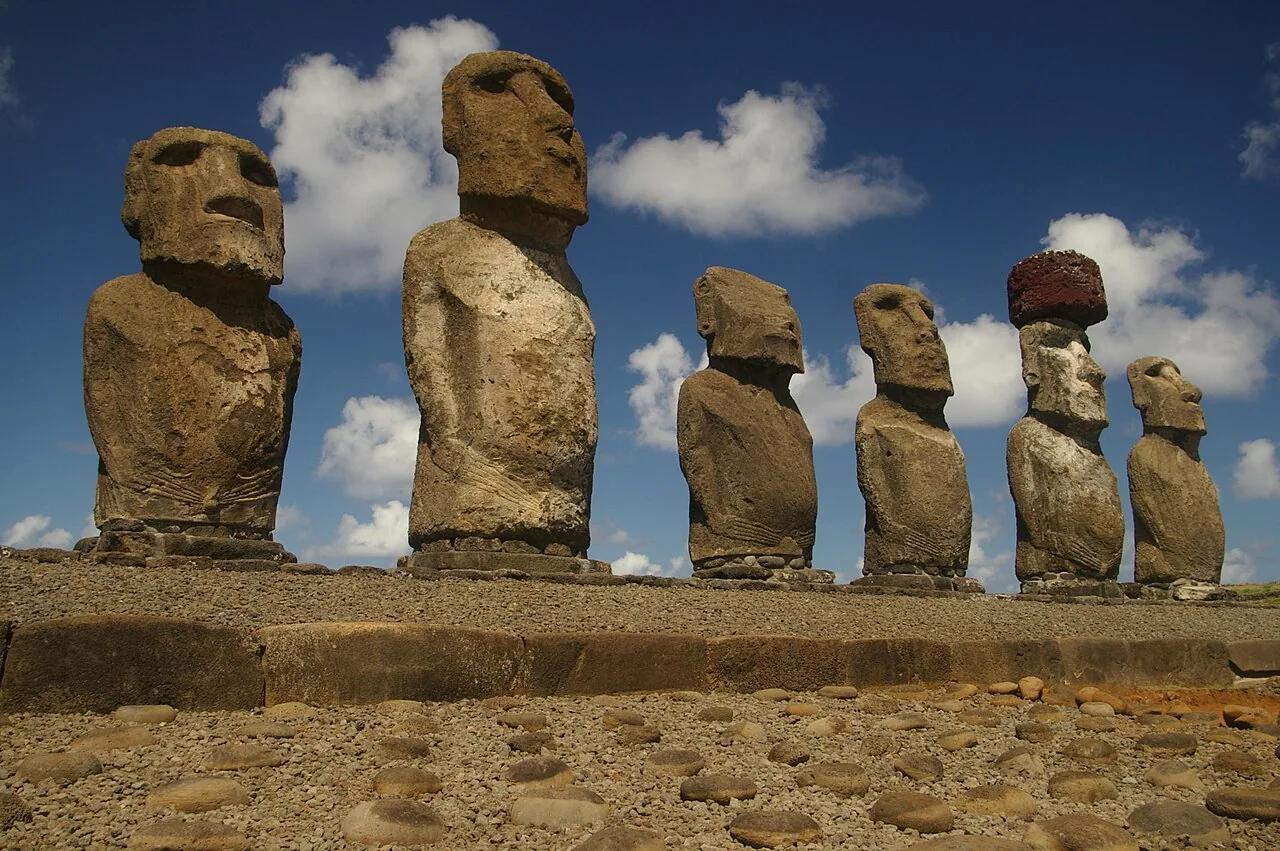
For Rapa Nui National Park, visitors must buy a ticket and hire a guide accredited by Ma’u Henua, the Indigenous administrator of the park. Because the park requires a guide, arrange the visit in advance. Check the park’s current rules and authorized-guide directory before you go, then confirm the guide’s language, itinerary, and duration directly.
A guide explains the archaeological sites and the rules for visiting them. Park rules include staying on marked trails and viewing areas, keeping away from moai, the monumental stone figures, and ahu, the platforms associated with them, and respecting marked boundaries. Follow the guide’s directions at each site. A directory listing confirms a guide’s accreditation and may show which languages they speak. It does not compare guides’ teaching styles or itineraries.
To learn about community life beyond the archaeological sites, consider visiting a local organization separately. Toki Rapa Nui describes visits to its music and arts school. A visit can cover the school’s construction, ancestral gardens, and education programs. It can also include locally made products. Tree planting is subject to availability and prior coordination. This offers a different focus from a National Park tour and does not replace the required guide for park entry.
Compare the experience types
| If you want to… | Consider… | A guide or host adds value when… |
|---|---|---|
| Learn political and architectural history | A docent-led tour at ʻIolani Palace | You want structured interpretation of the palace and Hawaiian monarchy |
| Connect learning to a landscape | A stewardship or workshop experience in Hawaiʻi | Local guidance explains access, the place, and appropriate participation |
| Hear local Māori perspectives | A Māori-owned activity or arranged marae visit | Hosts explain local history and tikanga, and set the visit’s protocols |
| Understand Rapa Nui archaeological sites | A National Park visit with an accredited guide | A guide is required for entry and explains site rules and context |
| Learn about community education or arts | A visit to an organization such as Toki Rapa Nui | The host can explain its programs and what visitors can see |
Check who sets the terms
When choosing a cultural experience, look for clear signs that local people shape it. A local business, practitioner, marae, or community organization should have a clear role in deciding what visitors see and hear. Ask who leads the experience and whether the content reflects the particular place or community, rather than claiming to represent an entire culture.
Also check what the experience asks of you. Ask about photography, restricted areas, visitor participation, and any protocols before you arrive. At a marae or cultural site, follow the host’s instructions. In Rapa Nui National Park, follow the park rules and use an accredited guide.
Before booking, check whether the provider explains where the fee goes or what the activity supports. Some providers describe a specific connection to stewardship, education, or community programs. Treat those descriptions as the provider’s stated purpose, and avoid assuming every tour produces the same community benefit.
For more on when a guide is useful, see when to hire a local guide in Polynesia. If your itinerary includes all three destinations, combining Hawaiʻi, New Zealand, and Rapa Nui can help with the broader route.